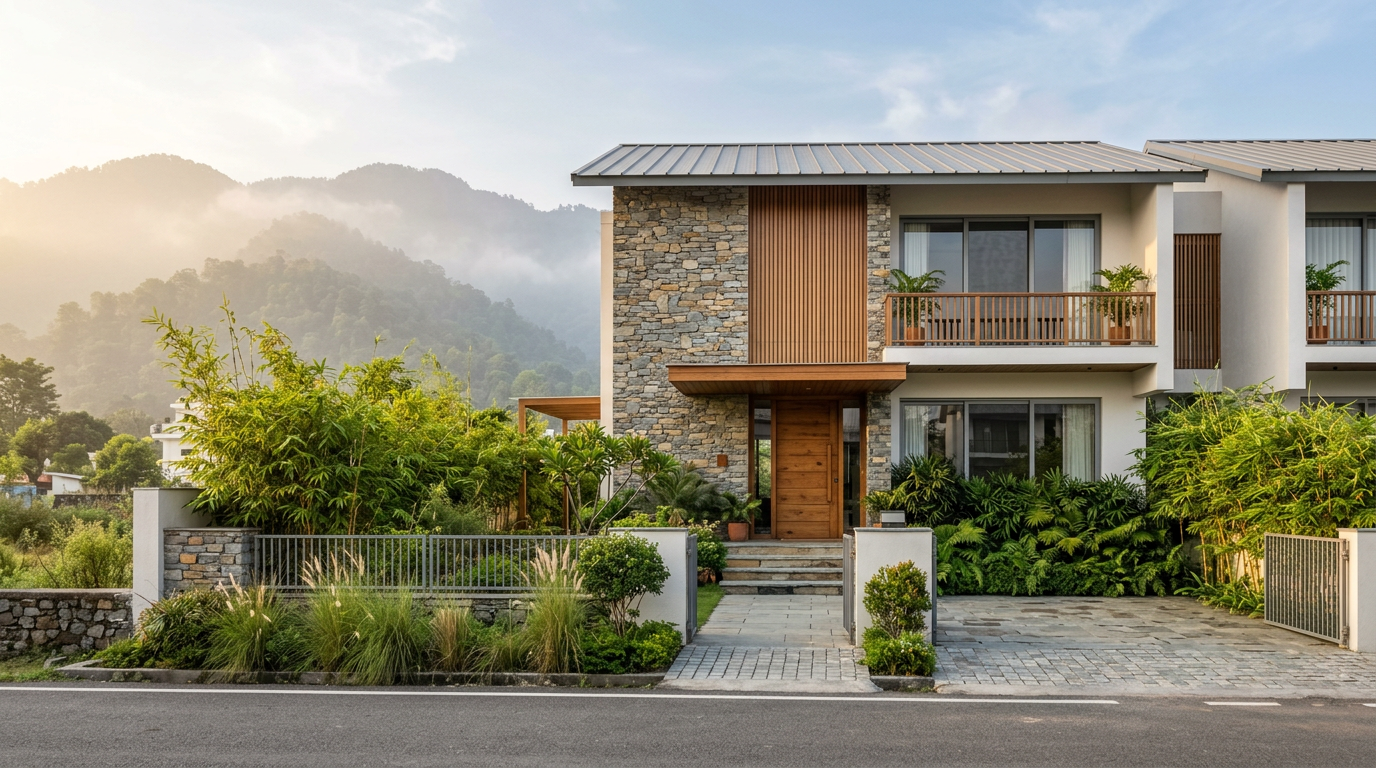
Most Vastu guides online are written for flat urban plots in Delhi or Mumbai. Dehradun is neither flat nor Delhi. The city sits at the foothills of the Himalayas - plots here slope, roads curve, and site orientations rarely follow the clean compass alignments that most Vastu textbooks assume. This guide is written specifically for homes being built in Dehradun - accounting for hillside conditions, MDDA plot layouts, and the way most residential plots actually sit in areas like Rajpur Road, Sahastradhara, GMS Road, and Haridwar Road.
Why Vastu Still Matters in Modern Home Design
Vastu Shastra is, at its core, a system of environmental logic. Before air conditioning and artificial lighting, architects in ancient India understood that a home oriented correctly - with morning sun entering from the east, the kitchen away from prevailing winds, bedrooms in quieter quadrants - performed better for the people living in it. Modern architecture does not replace this logic. It builds on it. At Global Architects, we integrate Vastu principles into the design process from the very first floor plan - not as an afterthought or a cosmetic compliance checkbox, but as a genuine spatial consideration that improves how the home feels to live in.
Plot Facing - What Works Best in Dehradun
The most common question clients ask before buying a plot is: which direction should my house face?
In Vastu, north and east facing plots are considered most auspicious - and there is practical logic behind this. North-facing plots in Dehradun receive better winter sun on the living areas. East-facing plots get morning light into the main rooms first - which in Dehradun's cool mornings is genuinely valuable.
North Facing Plot
The main entrance on the north side brings consistent natural light into the home through the day. Place the living room in the north or northeast zone, master bedroom in the southwest, and kitchen in the southeast. Keep the north side open - avoid heavy construction or boundary walls on the north that block light and airflow.
East Facing Plot
East-facing homes in Dehradun are highly sought after - morning sun enters the main living areas directly, which aligns with both Vastu principles and practical comfort in a cool hill city. Main entrance should be in the northeast quadrant of the east wall. Kitchen in the southeast. Master bedroom in the southwest.
South and West Facing Plots
South and west facing plots are not inherently bad - but they require more careful planning. A south-facing plot needs the main entrance positioned correctly - typically in the south-southeast zone - and heavier construction on the south side to manage afternoon heat. West-facing plots work well in Dehradun's climate when the living areas are designed to capture evening light thoughtfully. The honest answer is that plot orientation is one factor among many. A well-designed home on a south-facing plot will outperform a poorly designed home on a north-facing one every time.
Room Placement - The Basics That Actually Matter
Vastu room placement is where most families have the most questions - and where generic online guides do the most damage by giving one-size-fits-all answers that ignore actual plot constraints. Here is what we follow at Global Architects for Dehradun residential projects:
Main Entrance
Northeast, north, or east - these are the preferred entrance zones in Vastu. In Dehradun, where many plots on Rajpur Road and Sahastradhara face irregular orientations due to road curves, the entrance placement is determined after a proper site analysis - not from a generic direction chart.
Master Bedroom
Southwest quadrant - this is consistent across most Vastu systems and has practical logic: the southwest corner of most homes is furthest from the main street, quieter, and receives less direct morning light - all of which supports better sleep.
Kitchen
Southeast is preferred - the direction of Agni, the fire element. Practically, this places the kitchen away from the main living and sleeping areas, which also makes sense from a ventilation and noise perspective. The cook should ideally face east while working.
Pooja Room
Northeast corner - this is one of the most consistent Vastu recommendations and one of the easiest to accommodate in early design stages. Once the structure is fixed, adding a pooja room in the right zone becomes expensive. Plan it from day one.
Bathrooms
Southwest or west zones - keep bathrooms away from the northeast corner, which Vastu considers the most sensitive energy zone of the home. This also has practical plumbing logic - centralizing wet areas reduces pipe runs and maintenance costs.
Staircase
South, southwest, or west - never in the northeast corner. A staircase in the northeast blocks light and creates a structural mass in the zone that Vastu recommends keeping open and light.
Vastu for Hillside Plots in Dehradun - What Changes
This is where most Vastu guides become useless for Dehradun homeowners. Hillside plots - common in areas like Rajpur Road, Mussoorie Diversion, and parts of Sahastradhara - have slope conditions that standard Vastu compass rules do not address.
A few principles that hold regardless of slope:
- Keep the higher ground to the south and west - Vastu recommends heavier construction in these directions, which naturally aligns with building into a slope on the south or west side.
- Keep the lower, open side to the north and east - allowing light and views to come from these directions.
- Water features, sumps, and drainage should flow away from the northeast - both in Vastu terms and practically, since northeast drainage on a slope can cause foundation moisture issues.
- Never place the septic tank in the southeast or southwest of the plot - a Vastu recommendation that also happens to be sound civil engineering practice in hillside conditions.
What Vastu Cannot Fix - An Honest Note
Vastu compliance does not compensate for poor structural design, bad material choices, or ignoring Dehradun's seismic zone requirements. Dehradun lies in Seismic Zone IV - every residential building here needs proper structural engineering regardless of how well the Vastu is planned. We have seen projects where clients spent significant money on Vastu corrections - shifting walls, adding remedies - on homes that had fundamental structural or spatial problems that no compass direction could fix. Good architecture addresses both. A home that is Vastu-compliant, structurally sound, spatially intelligent, and designed for Dehradun's specific climate is the actual goal - not any one of these in isolation.
When to Involve a Vastu Consultant - and When Not To
The best time to apply Vastu is at the plot selection stage and the early floor plan stage - before any walls are fixed. At this point, orientations, room positions, and entrance locations can be set correctly with zero additional cost. Vastu corrections after construction - shifting walls, adding copper strips, repositioning doors - are expensive and often structurally disruptive. Involve your architect and Vastu consultant together at the design stage, not separately and not after the fact. At Global Architects, Vastu consultation is integrated into our architectural process. We do not treat it as a separate service that comes after design - we consider it during design, which is the only way it genuinely works.
Planning and Next Steps
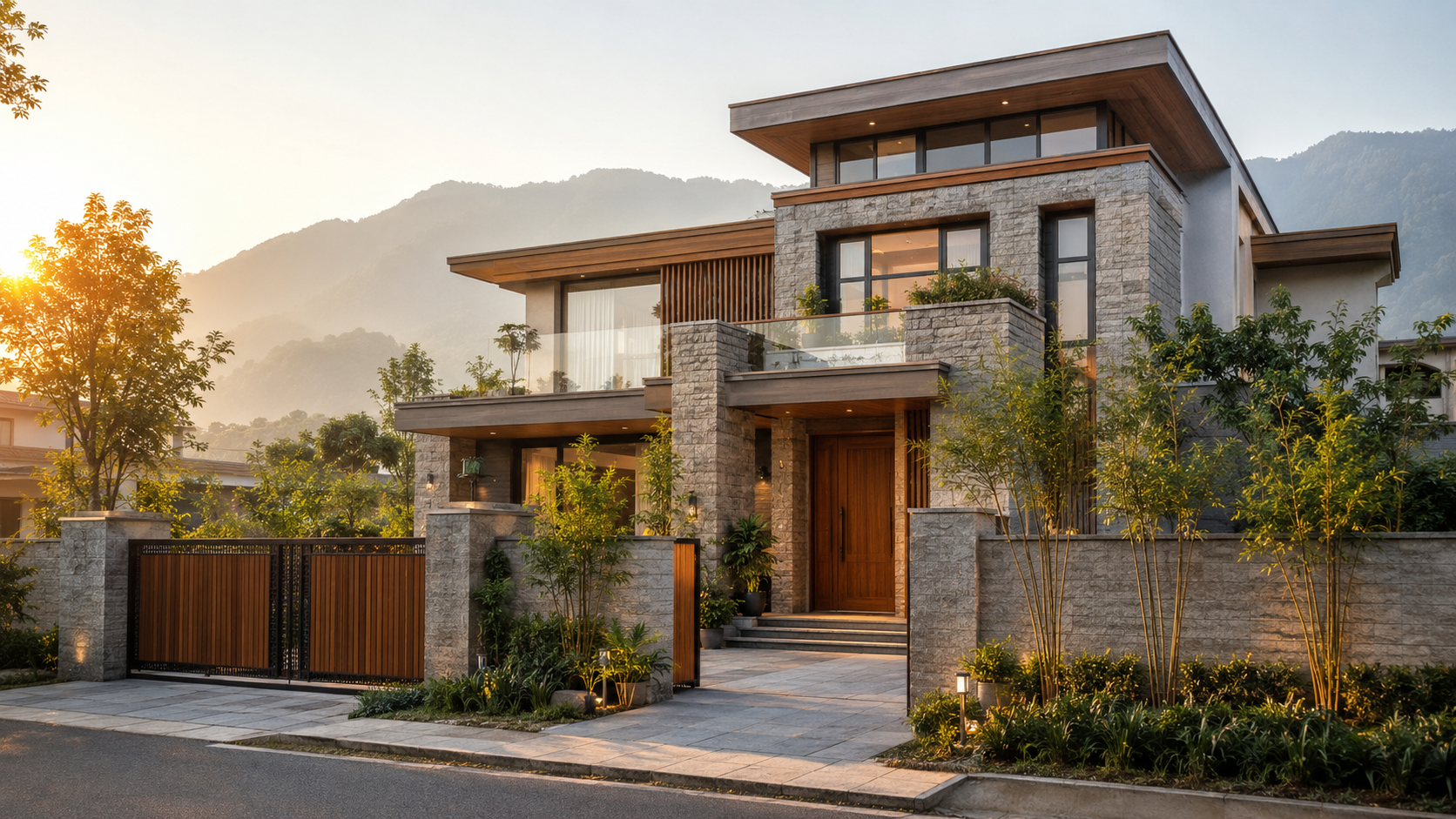
Plan Vastu from the start - at plot selection and during the early floor plan phase. If you need a detailed plot analysis, we combine site survey, sun-path study, and a pragmatic Vastu review that prioritises structure, drainage and access alongside orientation.
For practical cost context see our guide on construction costs in Dehradun and for interior layout considerations see interior design planning.
CTA
Planning a new home in Dehradun and want Vastu integrated from the start? That is exactly how we work. Start a Project →